全國服務(wù)熱線 :
0531-85980985
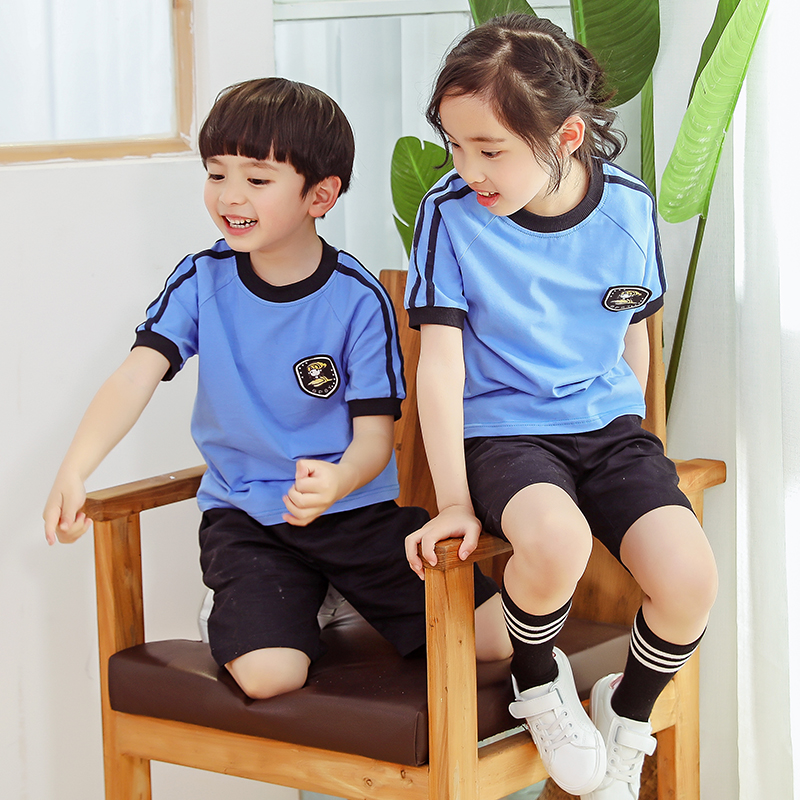
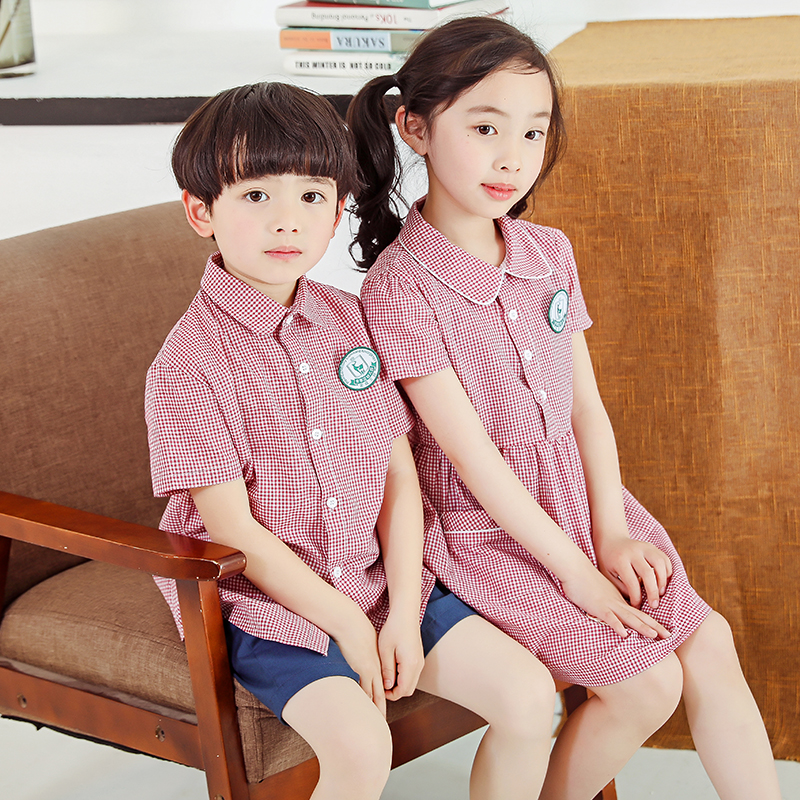
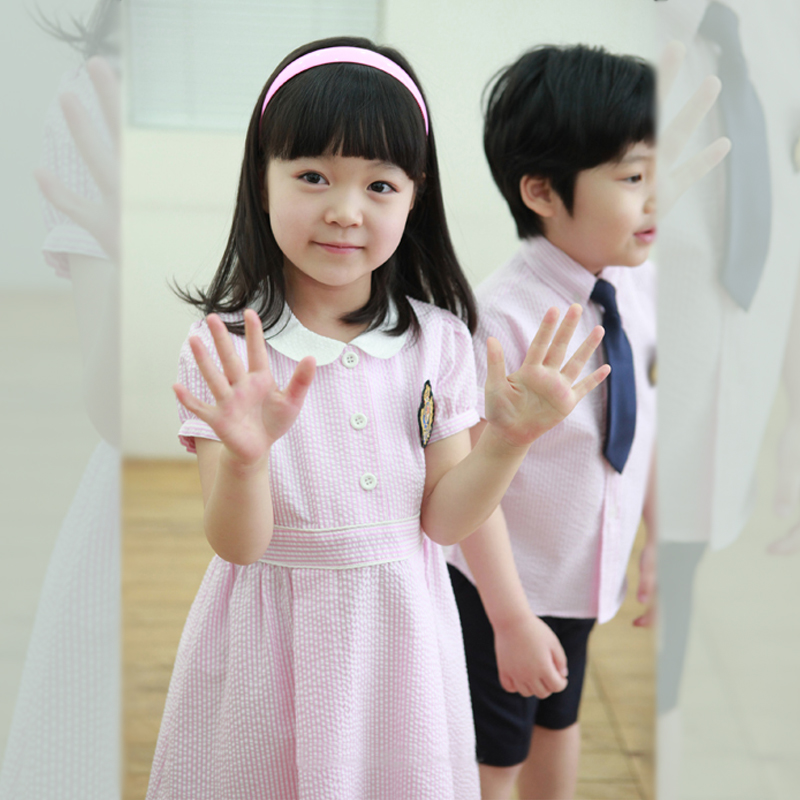
酸辣粉風(fēng)靡園服——代表了一個(gè)幼兒甚至是一所幼兒園的精神面貌。
Hot and sour powder is popular in garden clothes, representing the mental outlook of a young child and even a kindergarten.
培養(yǎng)兒童的團(tuán)隊(duì)精神,強(qiáng)化幼兒園的整體形象,增強(qiáng)集體榮譽(yù)感。
Cultivate children's team spirit, strengthen the overall image of kindergarten, enhance the sense of collective honor.
在的歷史上,園服的歷史甚至比校服還要長。在,園服已有近百年的歷史,而校服也才幾十年歷史。
In Chinese history, the history of garden clothes is even longer than that of school uniforms. In China, there are nearly a hundred years history of garden clothes, and the school uniform is only a few decades old.
隨著不同的時(shí)代,不同的風(fēng)氣,不同的審美觀,幼兒園園服有著翻天覆的變化。
With different times, different customs, different aesthetic values, China's kindergarten garments have undergone tremendous changes.
近百年來,園服的變遷追隨著歷史的腳步一路蜿蜒前進(jìn),承載著每個(gè)人童年時(shí)代幾乎所有的歡聲笑語,給每個(gè)人的童年里留下了一段美好的回憶。
In the past century, the changes of gardening clothes follow the steps of history winding along the way, carrying almost everyone's childhood laughter, leaving a good memory of each person's childhood.
1837年,幼兒教育之父、德國學(xué)前教育家福祿培爾在德國勃蘭根堡建立了世界上個(gè)命名為“幼兒園”的社會(huì)性幼兒教育機(jī)構(gòu)。
In 1837, the father of early childhood education, German preschool educator Froebel established the world's first "kindergarten" social early childhood education institutions.
“幼兒園”寓意為“兒童的花園”,體現(xiàn)了人類對(duì)于兒童價(jià)值的承認(rèn),讓兒童得到快樂的愿望逐漸在世界上引起共鳴。
"Kindergarten" implies "children's garden", reflects the recognition of human values for children, so that children's desire for happiness has gradually aroused resonance in the world.
1903年9月,滿清貴族在湖北武昌創(chuàng)辦了我國所幼兒園:湖北幼稚園。
In September 1903, the Manchu aristocracy set up the first kindergarten in Hubei, Wuchang: Hubei kindergarten.
園服很有晚清時(shí)代特色,女童頭戴燕尾暖帽,穿高脖領(lǐng)中袖短襖;男童頭戴瓜皮小帽,上穿高領(lǐng)對(duì)襟短襖,里穿長袍;短襖為上衣下褲,長袍為外袍內(nèi)褲。
Garden clothes have the characteristics of the late Qing Dynasty, girls wearing a swallow tail warm hat, wearing a high neck collar in the short sleeve jacket; boys wearing a melon skin cap, a high collar on the short skirt jacket, wearing a long gown; jacket for jacket and pants, robes for underwear.
從辛亥革命到二十年代、三十年代、四十年代,受社會(huì)風(fēng)氣影響,園服也體現(xiàn)在了這一點(diǎn)。作為思想相對(duì)保守的文化古都,北京的園服相對(duì)比較保守,仍以長袍為主。
From the 1911 Revolution to the 1920s, 1930s and 1940s, influenced by social customs, gardening clothes also reflected this point. As a relatively conservative cultural ancient capital, Beijing's garden costume is relatively conservative, and still wears gowns.
50年代的服裝除了原始的美化功能之外,還兼具表達(dá)政治傾向意識(shí)形態(tài)使命,具有極為強(qiáng)烈的革命性色彩。
The costumes of the 1950s not only had the original beautifying function, but also had the ideological mission of expressing political tendency, and had a very strong revolutionary color.
孩子們幾乎都是同樣的打扮:冬天的小大衣是黑面小花里,棉褲都是背帶褲,夏天男孩子們穿背帶短褲,女孩子們各種樣式的布拉吉飄揚(yáng)在大街小巷,引領(lǐng)著那個(gè)時(shí)代的時(shí)尚。
Children are almost all dressed in the same way: winter coats are black florets, cotton pants are strap pants, summer boys wear strap shorts, girls all kinds of braggies fluttering in the streets, leading the fashion of the times.
60年代童裝的流行關(guān)鍵詞:綠軍裝、花布襯衣、燈芯絨、蝴蝶結(jié)。當(dāng)時(shí)的幼兒園園服以肥大的綠軍裝為主,冬天罩棉襖,春秋單穿,利用率極高。夏季則是時(shí)髦的海軍裝。
Popular keywords for children's wear in 60s: green military uniform, cloth shirt, corduroy and bow tie. At that time, the kindergarten garments were mainly full of green military uniforms, covered with cotton-padded jackets in winter and worn alone in spring and autumn. The utilization rate was very high. Summer is a fashionable naval outfit.
藍(lán)灰色的罩衫,算是那個(gè)年代的基本款式,如果穿的干干凈凈、扣子整齊、再露出里面白襯衣的領(lǐng)子,應(yīng)該是那時(shí)的時(shí)髦穿法了。
Blue-gray blouses were the basic style of the era. If they were clean, buttoned neatly, and then exposed the collar of the white shirt inside, they would be the fashionable way to wear.
1976年結(jié)束文化大革命,人們的服飾也開始從單調(diào)統(tǒng)一到絢麗多彩轉(zhuǎn)變。西方的奇裝異服悄悄地闖入了國門,慢慢走出那個(gè)“灰藍(lán)黑綠”的時(shí)代。
When the Cultural Revolution ended in 1976, people's clothing began to change from monotony to colourful. Western fancy clothes quietly broke into the door, China slowly out of that "gray blue black green" era.
80年代國門打開,西方文化和港臺(tái)時(shí)尚向人們傳遞時(shí)尚信息,五顏六色的色彩點(diǎn)綴著孩子們的童年。
In the 1980s, with the opening of the country's doors, Western culture and Hong Kong and Taiwan fashion conveyed fashion messages to people. Colorful colors embellished children's childhood.
90年代的孩子趕上了好時(shí)候。再也不用等到過年才會(huì)有新衣穿,再也不用盼著哥哥姐姐的衣服快點(diǎn)穿到自己身上,甚至對(duì)面料和款式有了更高的要求。
The children in 90s caught up with the good times. No longer need to wait until the New Year to have new clothes, no longer need to look forward to brothers and sisters'clothes to wear themselves quickly, and even the fabric and style have higher requirements.
2000年代是崇尚“個(gè)性化”的時(shí)代,作為時(shí)尚的風(fēng)向標(biāo),服裝自然是如此。
2000s is the era of advocating "individuation". As a vane of fashion, clothing is so natural.
2010年后的園服更是多種多樣,有追隨時(shí)尚潮流,不同面料搭配,保持簡潔,追求簡潔之美。
After 2010, gardening clothes are more diverse, following the fashion trend, different fabrics with, keep concise, the pursuit of concise beauty.
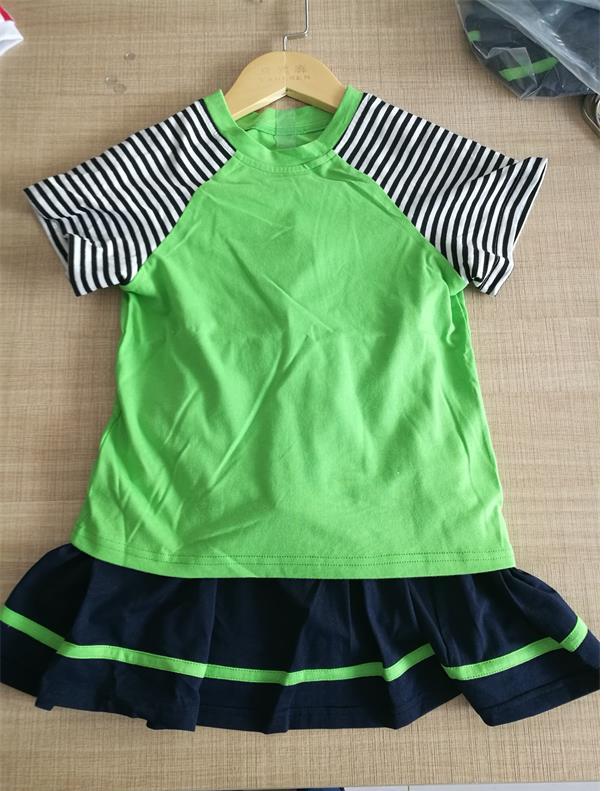
無論如何變化,綠色環(huán)保,安全可信賴,設(shè)計(jì)新穎獨(dú)特的園服產(chǎn)品受到廣大幼兒園,家長和小朋友的青睞。
No matter how the change, green, safe and reliable, novel and unique design of garment products by the majority of kindergartens, parents and children's favor.


本站圖片均由網(wǎng)站所有方提供,部分圖片來源于網(wǎng)絡(luò),如有任何疑問請(qǐng)及時(shí)與我們聯(lián)系,未經(jīng)溝通本站不承擔(dān)相關(guān)法律責(zé)任!
主站蜘蛛池模板: 中文在线无码高潮潮喷在线播放| 在线αv片男人的天堂| 亚洲无码视频在线免费观看| av无码国产在线看岛国| 亚洲午夜精品国产电影在线观看| 两个人的免费视频| AV无码免费看| 无码人妻一区二区三区免费不卡 | 91亚洲一区二区三区在线无码| 欧美一区二区精品性色| 成人中文在线| 色综合中文综合网| 伊人久久大香线蕉影院| 卢龙县| 国产精品久久久久久久久久免费| 精品视频国产狼友视频| 亚州αv久久久噜噜噜噜| 精品国产高清自在自线| 精品一区二区三区久久| 亚洲国产中文在线| 日韩亚洲色无码专区| 日国产韩亚洲成Av中文字幕无码久久| 射精情感曰妓女色视频| 99久久国产综合精品成人影院| 欧洲精品无码一| 欧美疯狂做受xxxxx高潮| 亚洲精品综合网| 日韩精品自拍偷拍一区二区| 日本高清中文字幕阿v免费| 最新偷拍一区二区三区| 登封市| 又粗又大又黄又爽的免费视频| 67194成在线观看免费| 免费国产99精品自在线| 欧美日韩精品一区二区免费看| 亚洲成色爱我久久| 久久久久亚洲av综合波多野结衣| 日本在线中文字幕乱码免费| 人妻大战黑人白浆狂泄| 欧美黑人又粗又硬xxxxx喷水 | 中文字幕在线中文乱码高清| 您現(xiàn)在的位置 :